
CURRENT EXHIBITION
No Church in the Wild by Tempest Williams
Curated by interdisciplinary artist and curator Robert L. Hodge
April 9th, 2026 - June 6th, 2026
About The Exhibit
Tempest Williams Explores Faith, Truth, Perceived Power, and Curiosity in No Church in the Wild. Curated by interdisciplinary artist and curator Robert L. Hodge
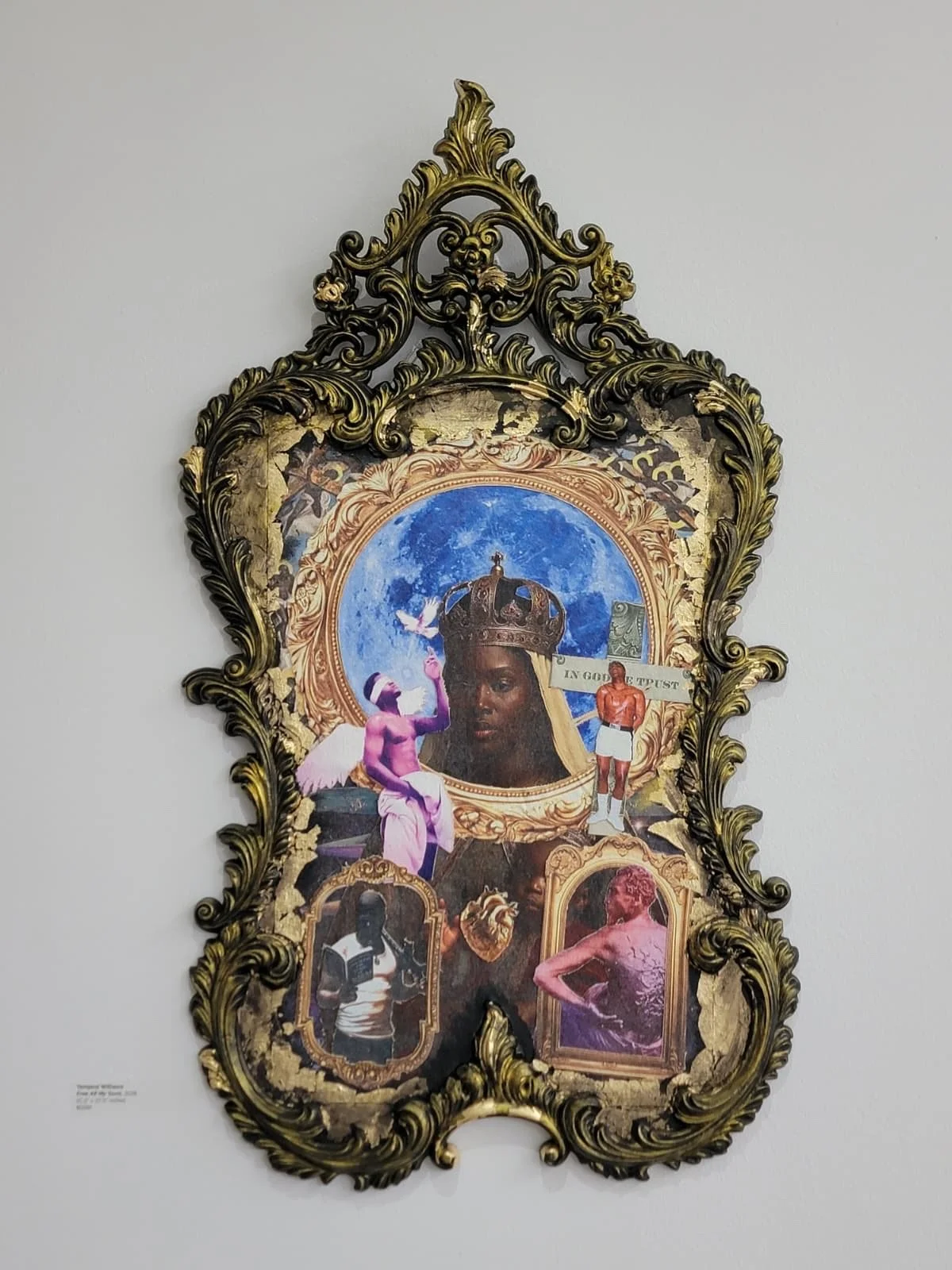
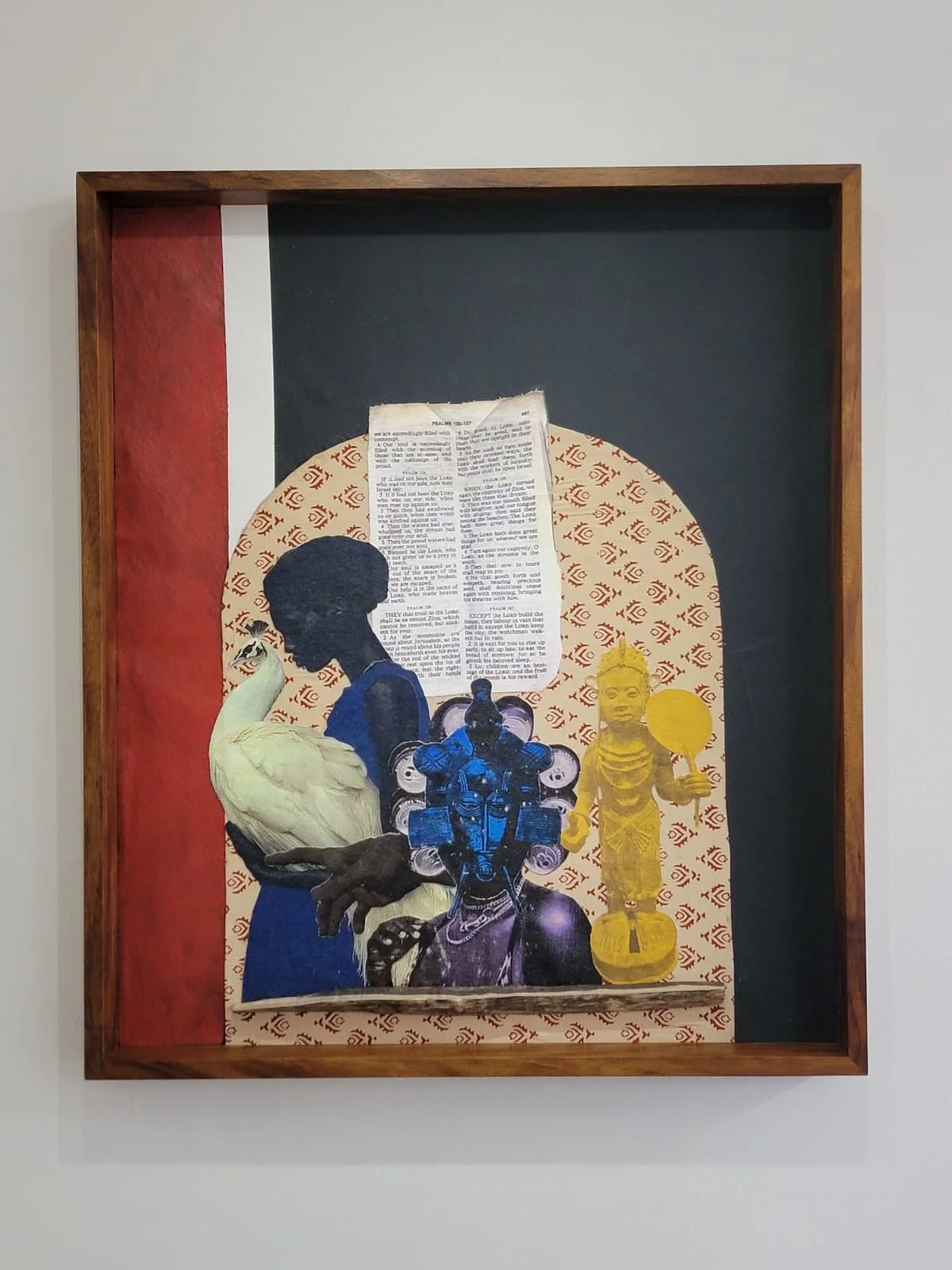
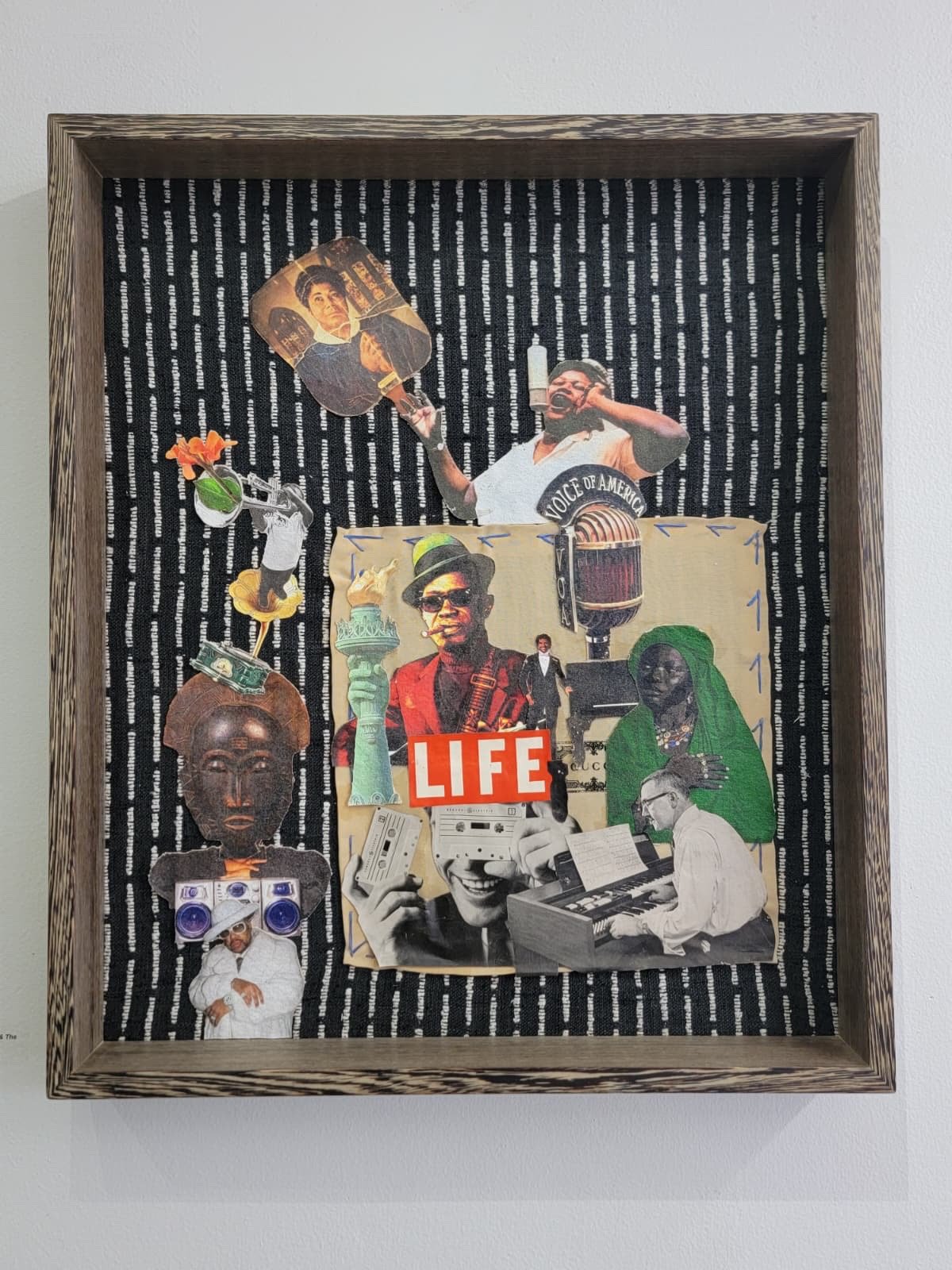
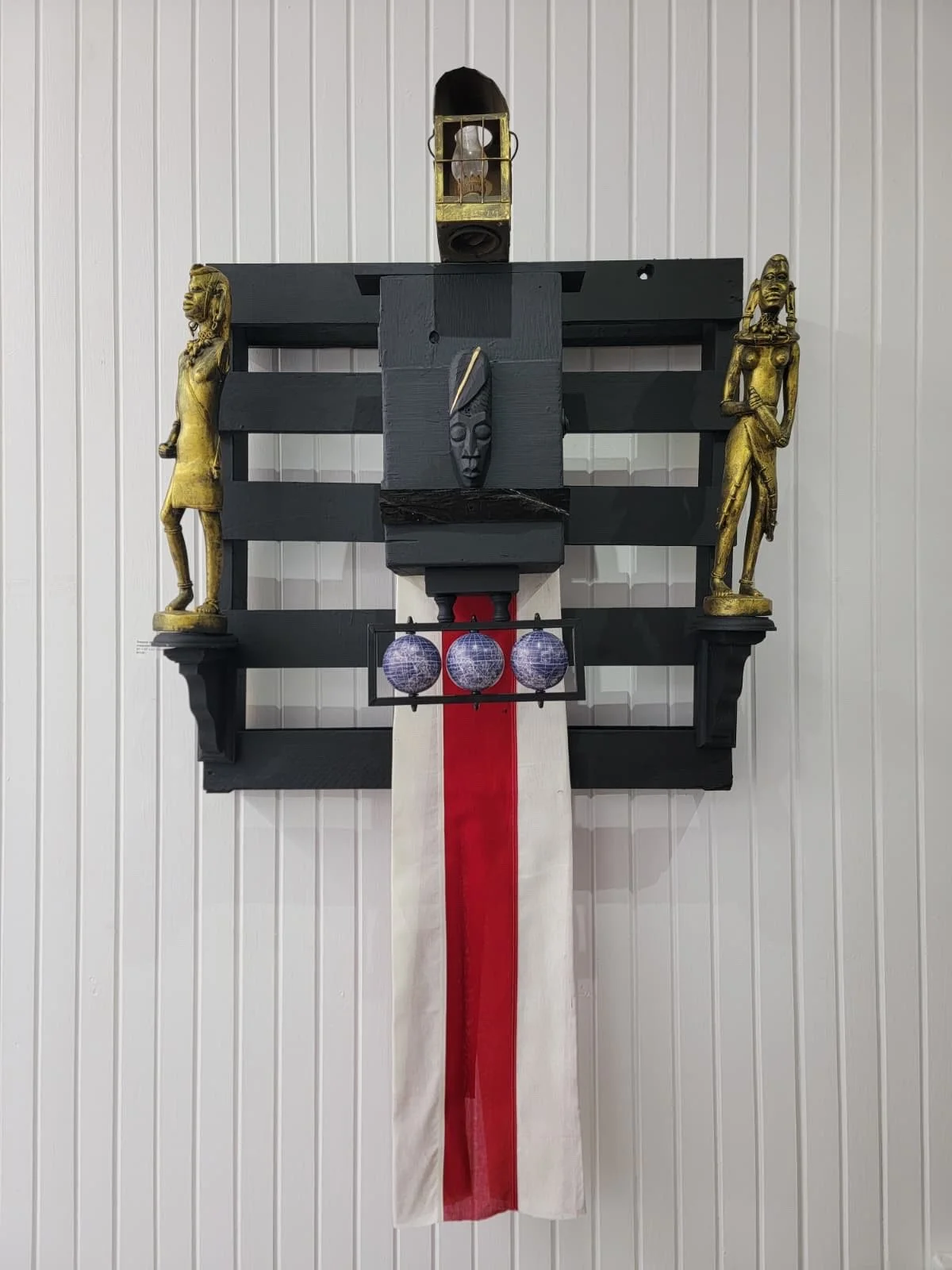
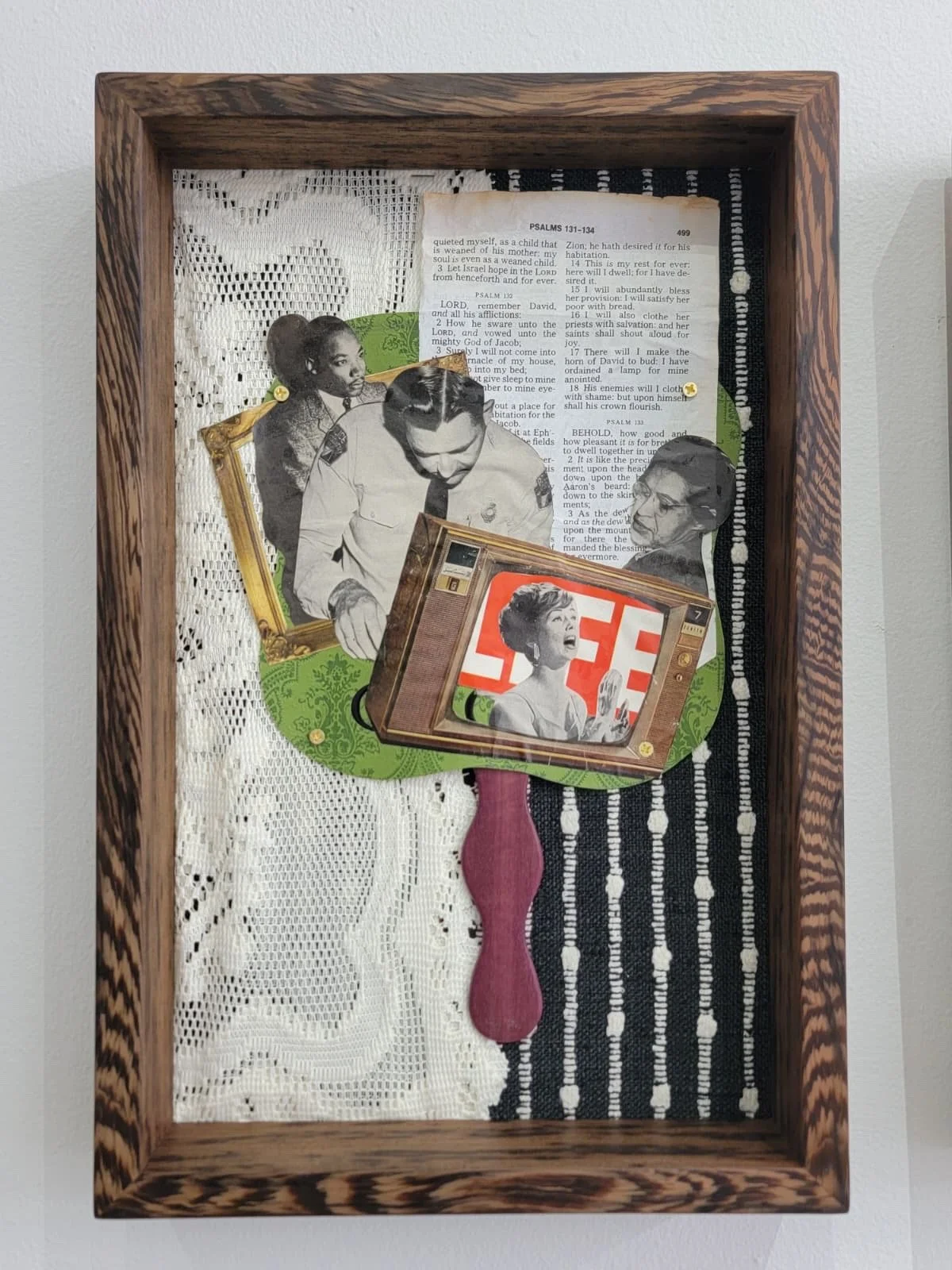
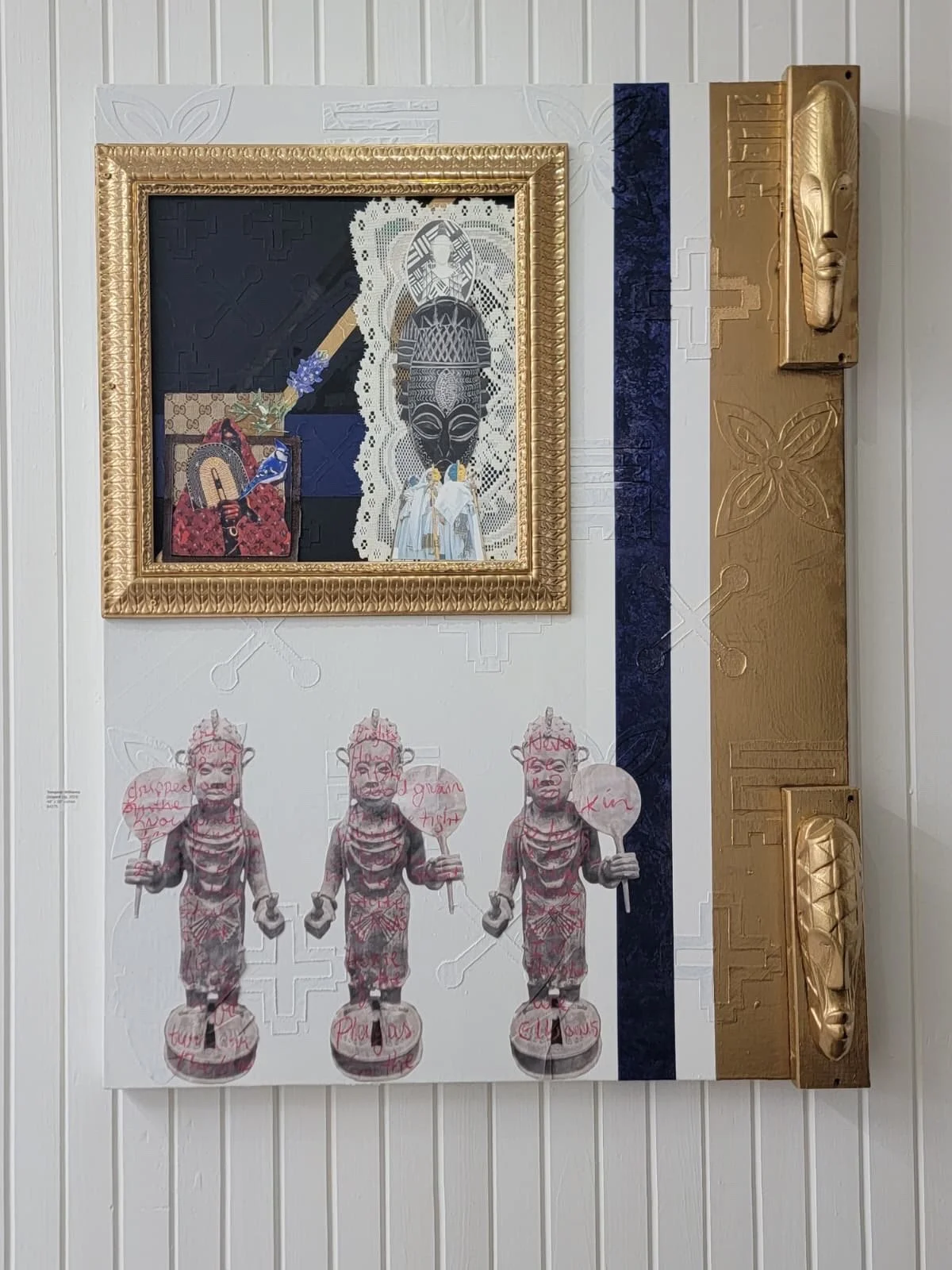
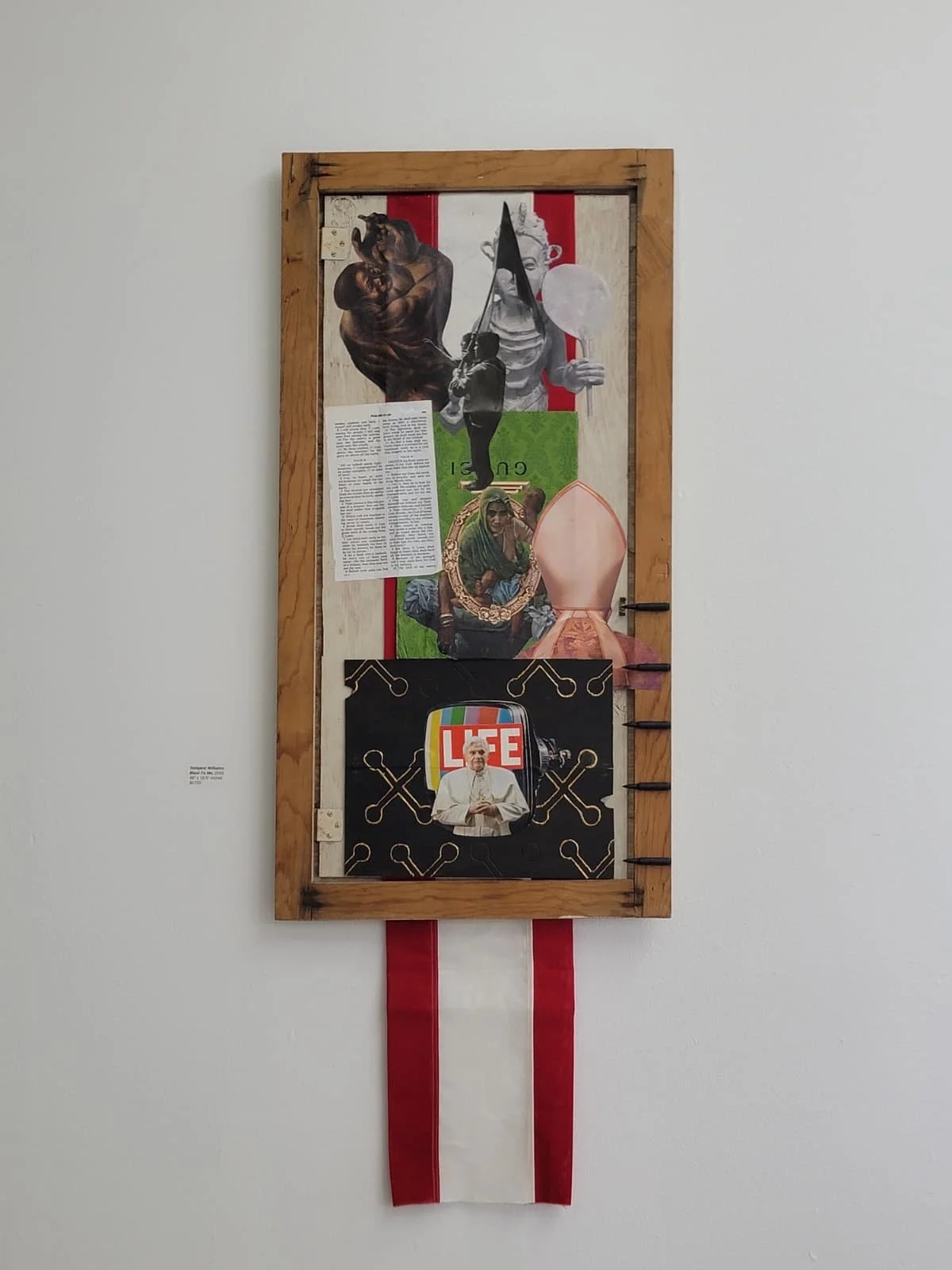
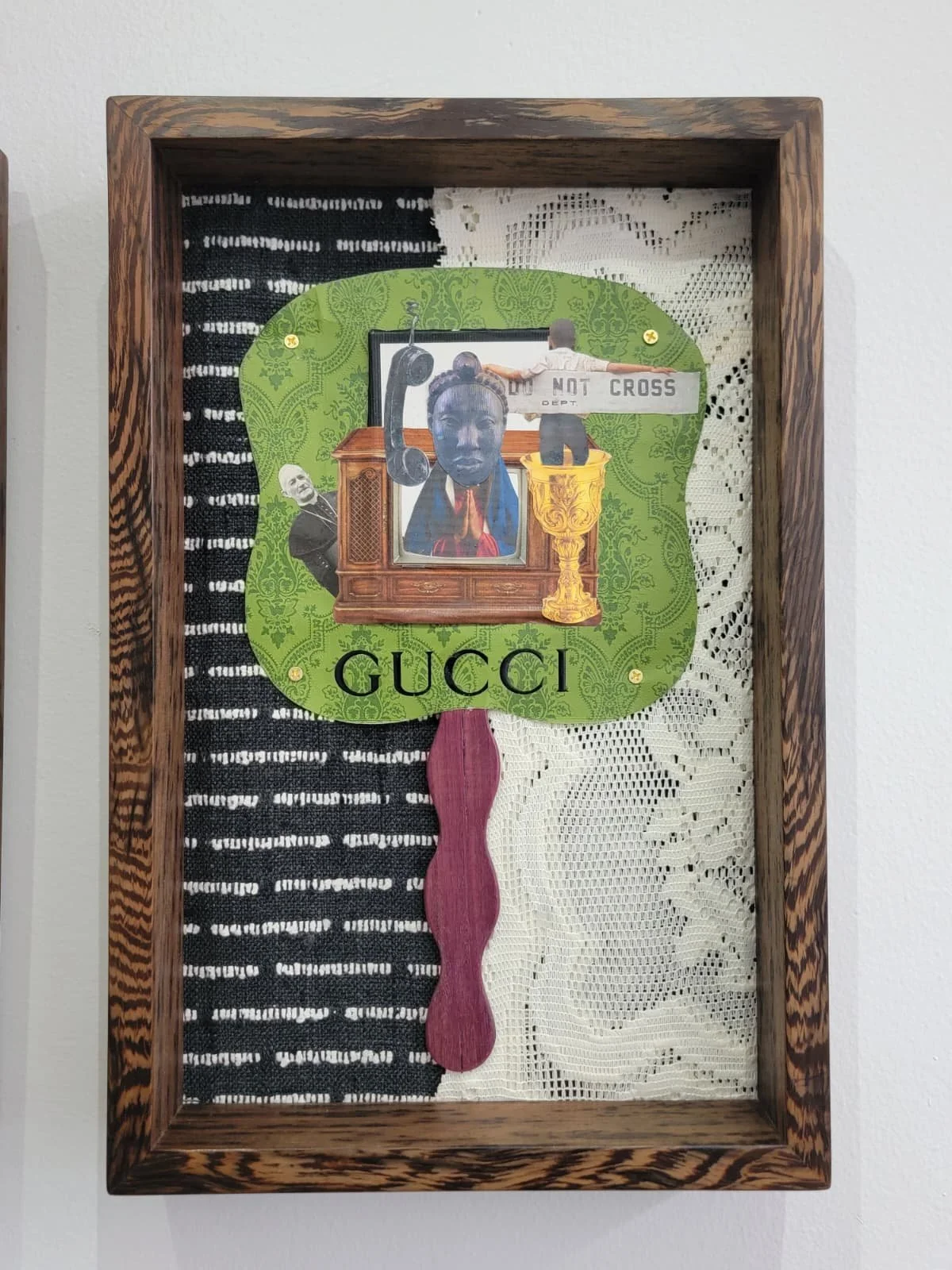
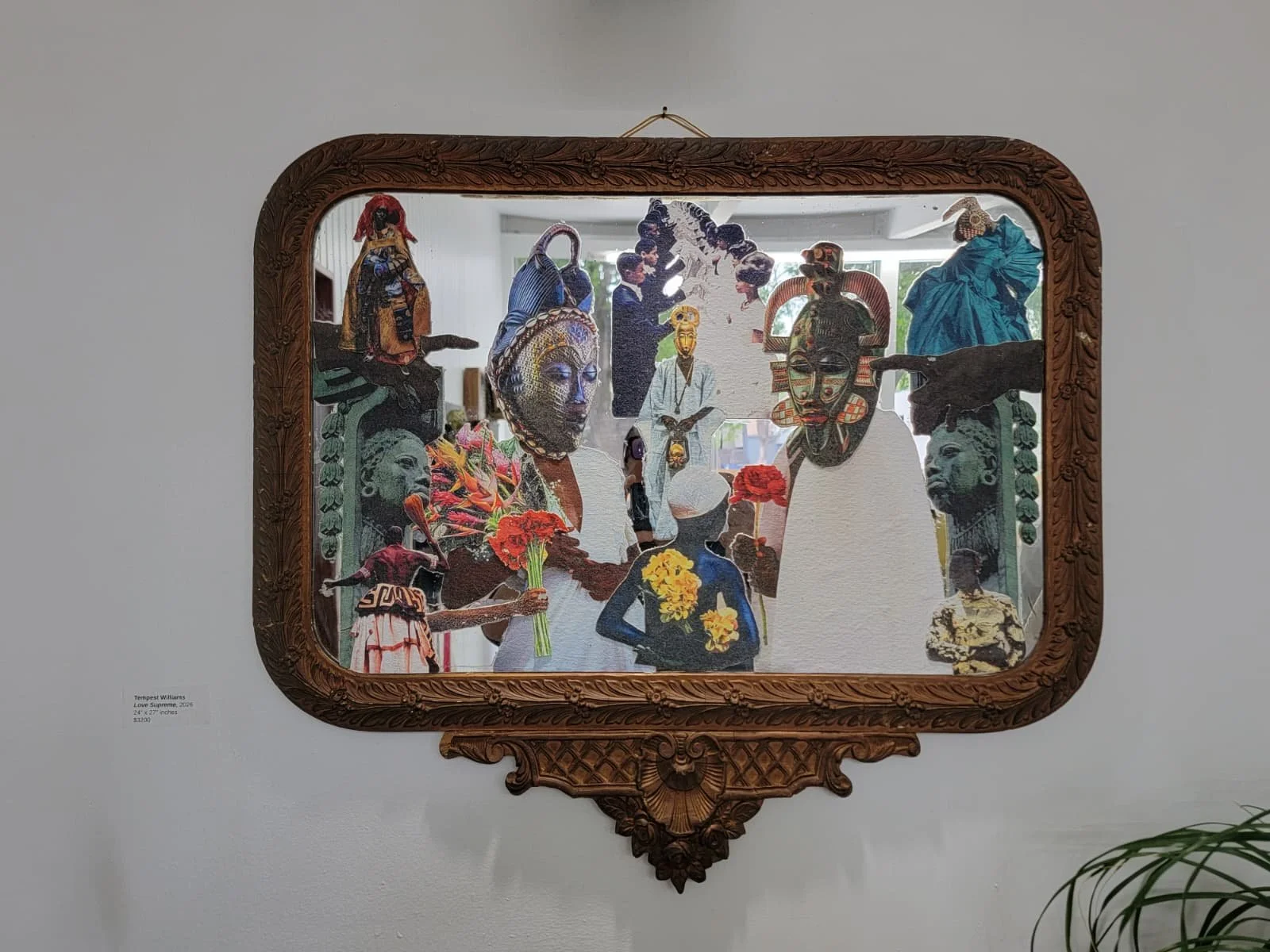
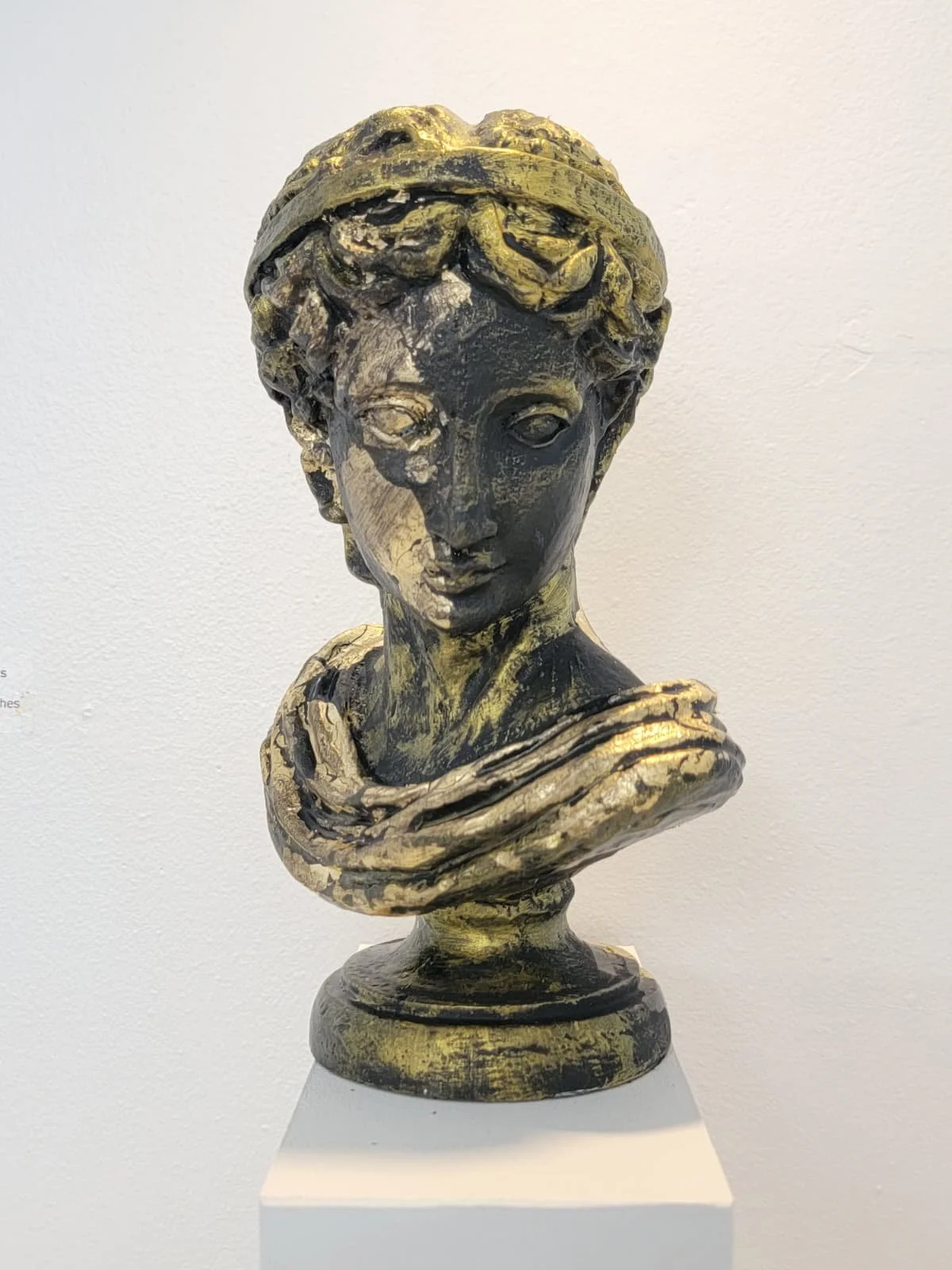
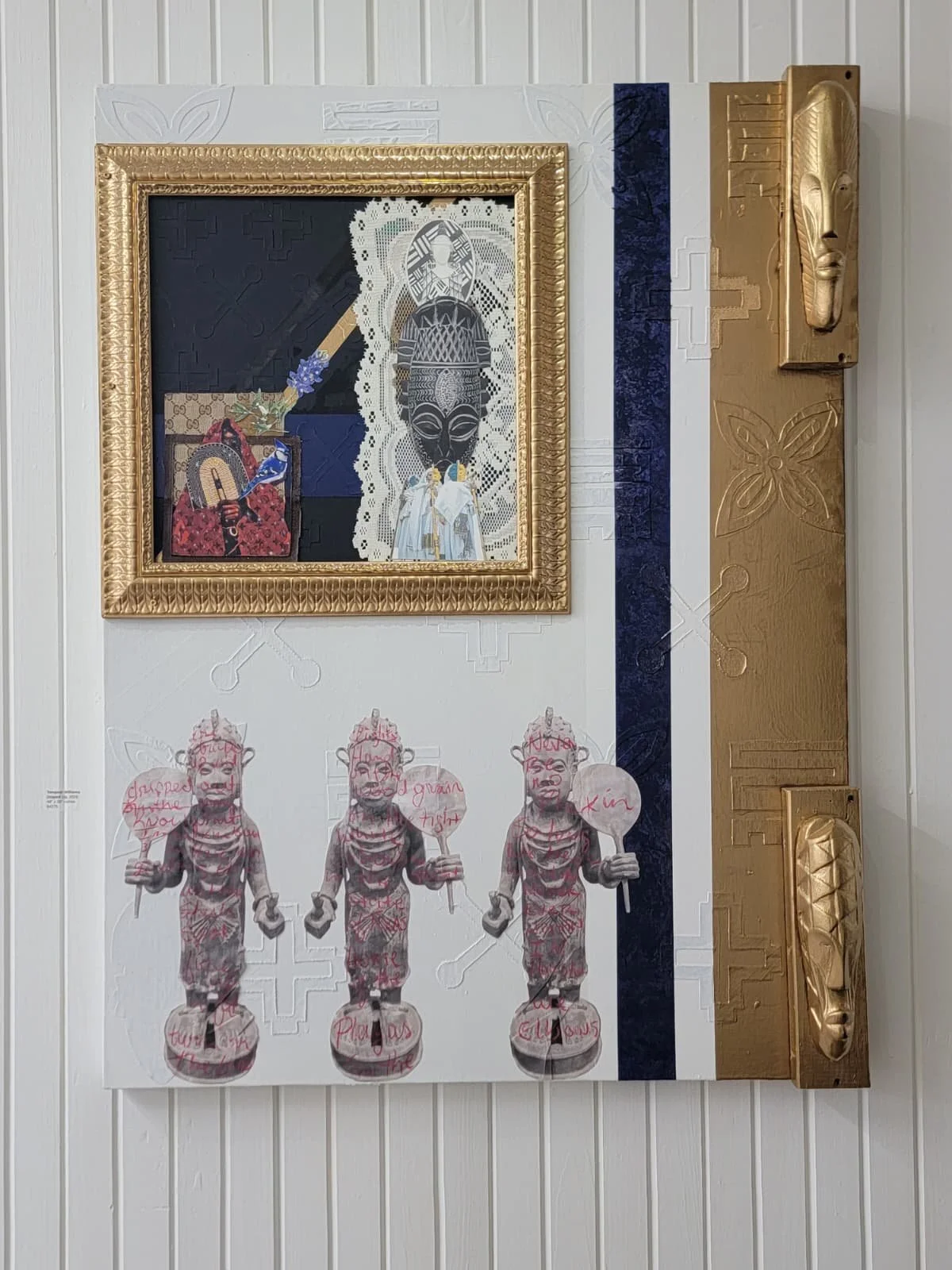
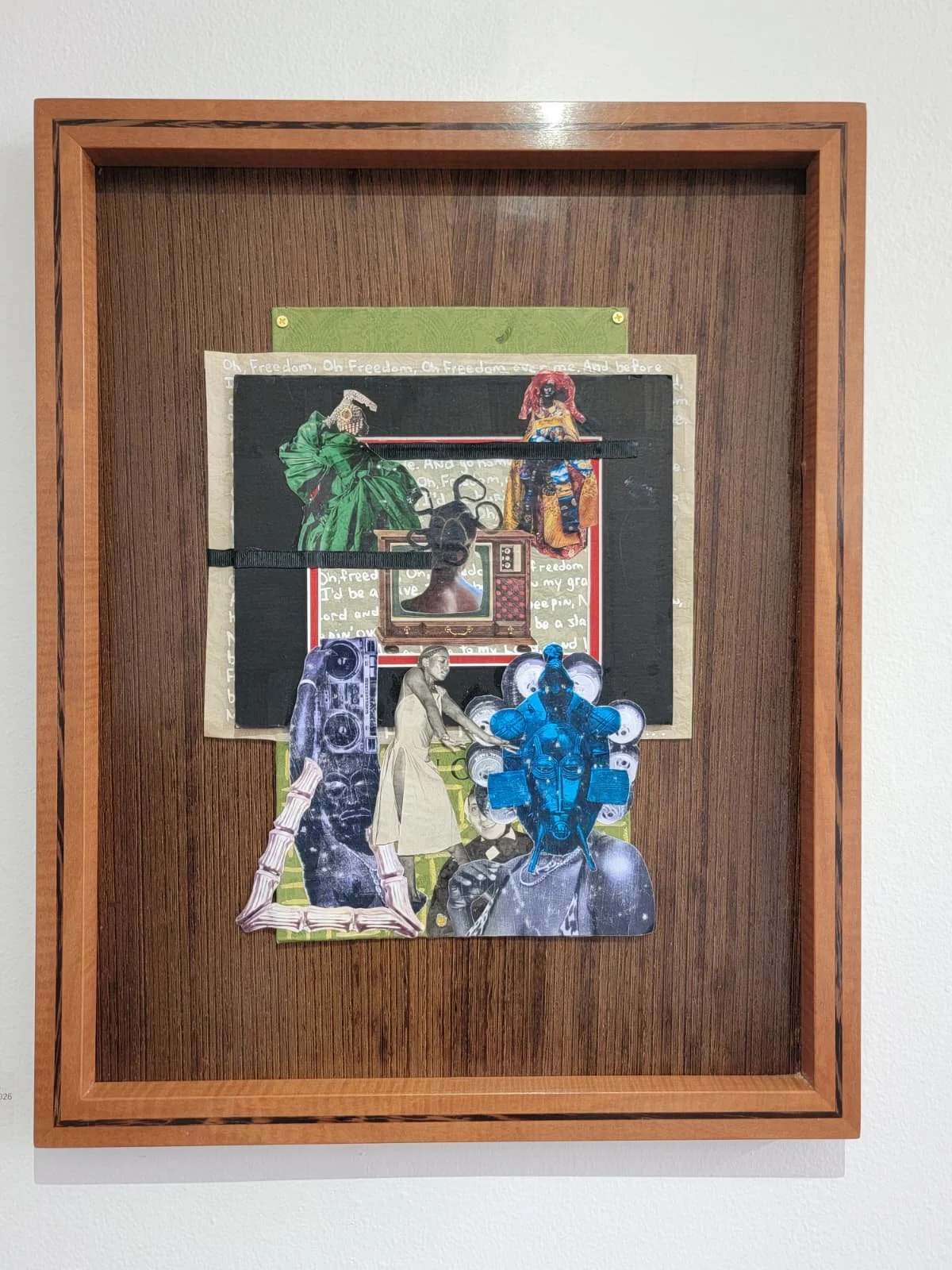
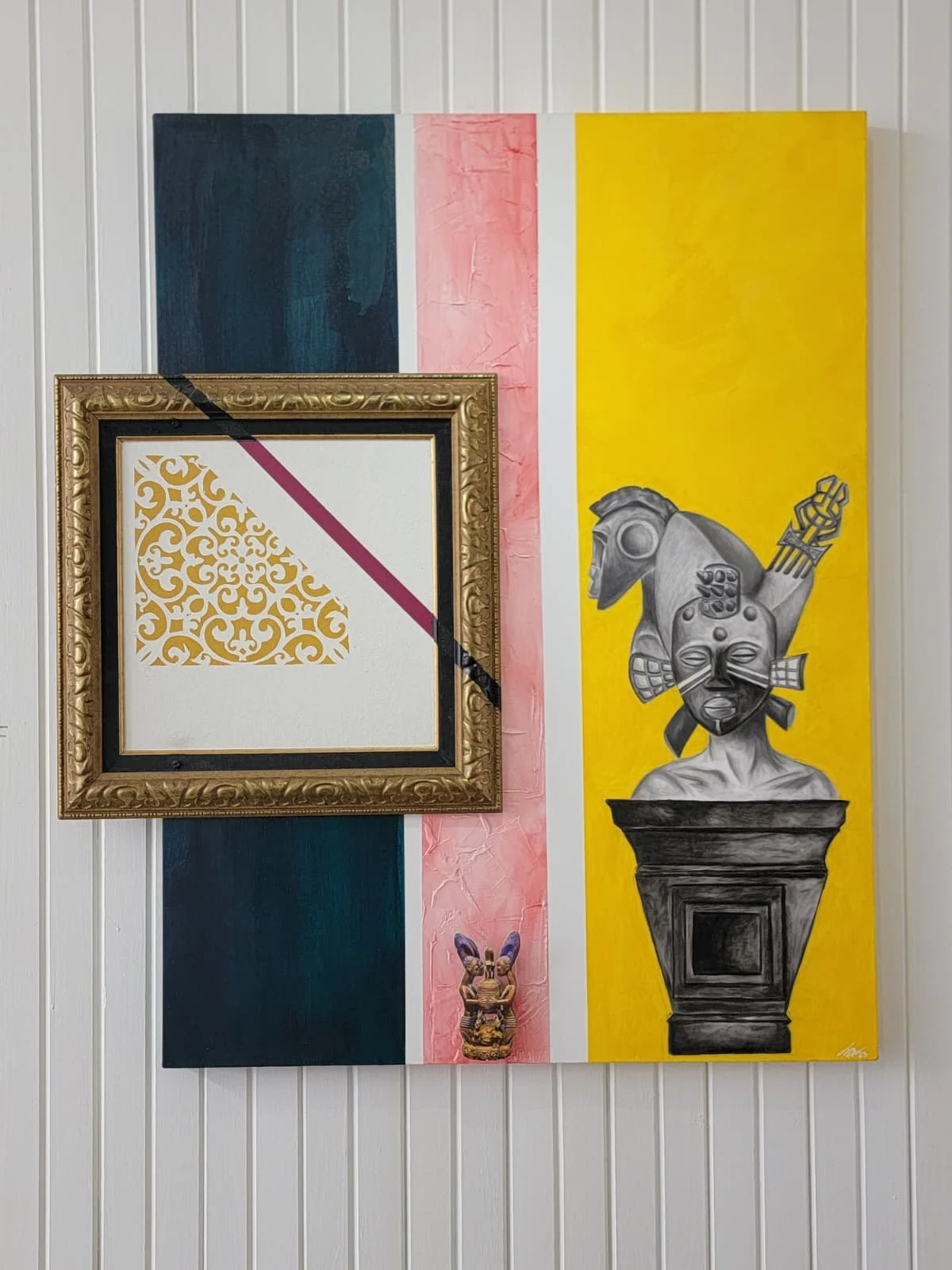
No Church in the Wild, a new exhibition by Houston-based multidisciplinary artist Tempest Williams, examines the tension between sacred institutions vs. lived reality. Through layered collage and assemblage, Williams investigates the distance between doctrine and truth, sanctuary and control, spiritual refuge and systems of power that have historically shaped and at times constrained communities.
The exhibition’s title draws from the 2011 collaboration between Jay-Z and Kanye West featuring Frank Ocean, a cultural moment that explored themes of nihilism, moral ambiguity, and the destabilization of organized religion. The song suggests that in a “wild” or chaotic world, individuals are left to construct their own meaning and morality when traditional spiritual authority feels absent or fractured. Williams adopts this reference as conceptual grounding. Like the track, the exhibition asks what remains when inherited systems no longer provide clarity when faith, authority, and lived experience diverge. Across the Americas, religious authority has functioned not only as a site of worship but as a mechanism of order. Colonial-era Christian doctrines, including the 15th-century “Doctrine of Discovery,” provided theological justification for the claiming of lands and the subjugation of non-Christian peoples. These ideologies manifested through mission systems, forced conversions, and church-affiliated boarding schools that sought to erase Indigenous languages and cultural practices under the guise of “civilization.” In the United States, Catholic and Protestant institutions alike operated within economies of slavery and racial hierarchy, at times benefiting materially while maintaining moral authority.
Williams does not approach this history as distant scholarship; she approaches it as Inheritance.
Rooted in Houston’s Greater Fifth Ward, Williams creates work that feels both archival and immediate. Through collage, she merges contemporary materials with devotional iconography, family photographs, and fragments of historical imagery. Her compositions situate her within a lineage of artists who understand image-making as testimony. The spiritual symbolism of John Biggers, the moral clarity of Charles White, and the reclamation practices of Betye Saar resonate throughout her visual language of found objects and recontextualized symbols.
Her practice is not an accusation; it is excavation.
Fragmented photographs from various sources and religious imagery coexist with contemporary textures, reflecting how history itself is layered, edited, softened, and sometimes weaponized. In No Church in the Wild, the Church is neither singular villain nor singular sanctuary. It is a contested structure, one that has offered comfort and community while also participating in systems of indoctrination, assimilation, and racial control. For Black and Indigenous communities, Christianity has often been experienced as duality: imposed belief and reclaimed faith, spiritual survival and structural harm. Boarding schools severed children from language and kin. Enslaved Africans were evangelized within plantation economies that preached salvation while enforcing bondage. Yet within these imposed frameworks, communities forged reinterpretation, resistance, and adaptation. Williams ultimately invites viewers to leave not with fixed answers, but with sharpened curiosity. She urges audiences to examine archives, question authorship, and hold reverence and critique simultaneously. In her work, faith and inquiry coexist in the pursuit of clarity. Through material memory, Williams preserves community voices with transparency and potency. All the materials Williams uses functions as evidence, and clues to research disguised as paintings that allow you to simply enjoy the art or deep dive into the messaging. The viewer is repositioned not as a passive observer, but as a witness.
In No Church in the Wild, Williams reminds us that institutions may attempt to shape identity, but identity, memory, and ancestry endures through us, the people.
About The Curator
Robert Hodge is a Houston-based interdisciplinary artist born in 1979 and raised in the city's historic Third Ward, whose multidisciplinary practice explores themes of memory, commemoration, resilience, and reclamation — often honoring African American musical and cultural icons through multimedia works.
He has exhibited widely, received awards like the Artadia grant, and continues to contribute to the Houston art community as a creative director, curator, and producer.